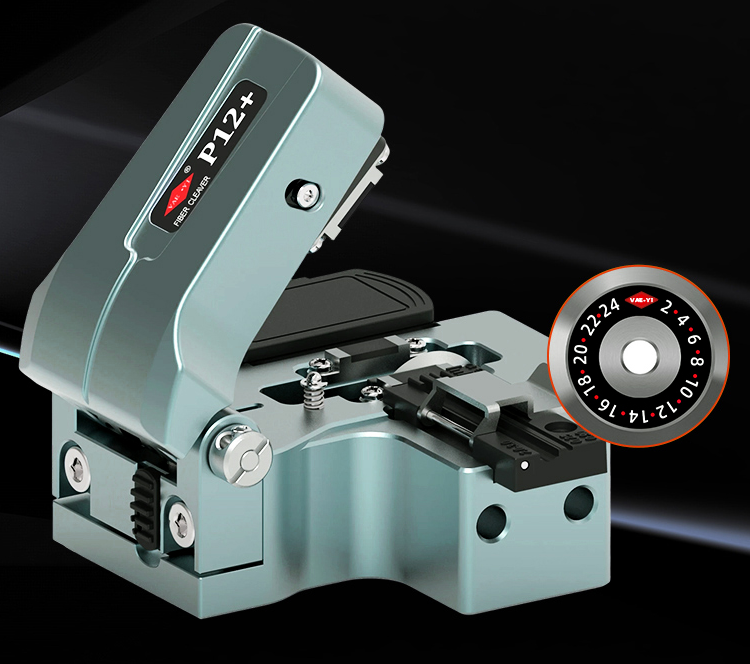
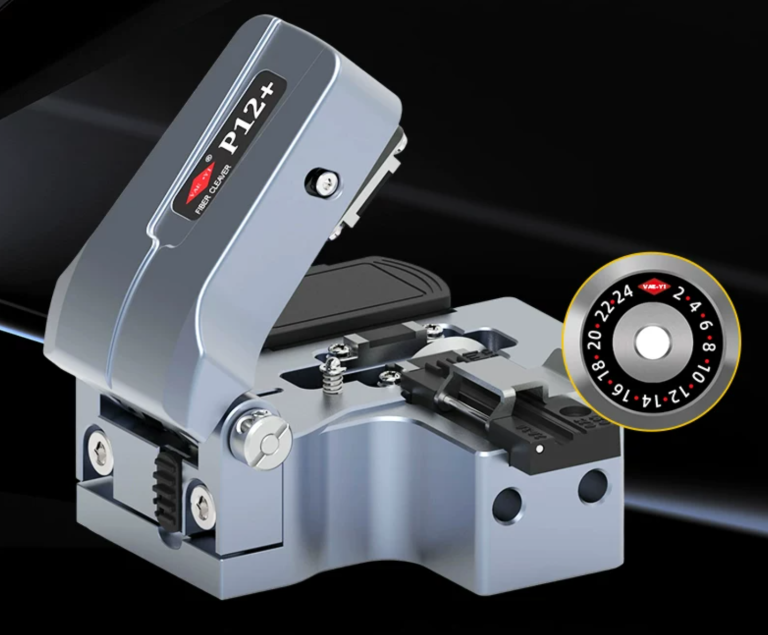
Fiber cleaver blades are among the most common consumables in field operations. Traditional blades typically last for 3,000 to 5,000 cuts; teams with high workloads may need to replace over a dozen blades annually, resulting in significant consumable costs. In recent years,…
The fiber cleaver is a core tool in fiber optic installation, and the technology has advanced significantly in recent years.Looking back at the market a decade ago, products were largely undifferentiated, featuring plastic housings, single-point blades, and manual operation. However, by 2026,…
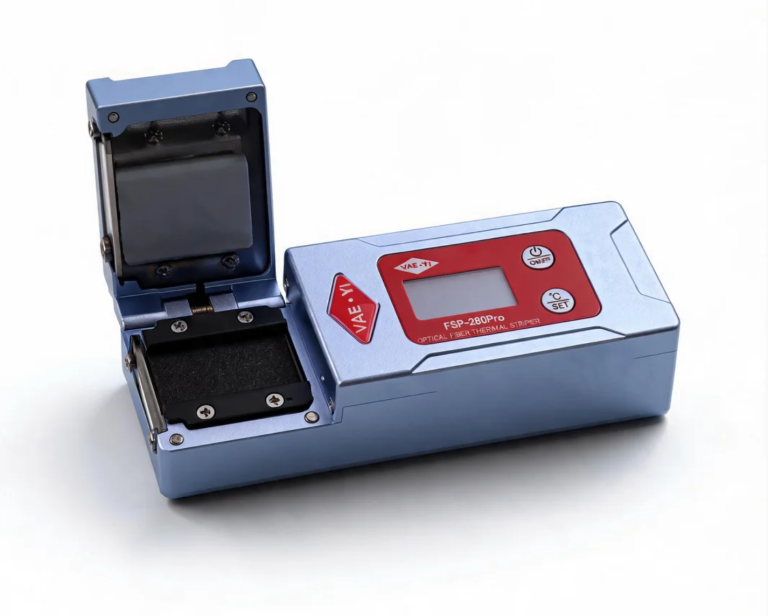
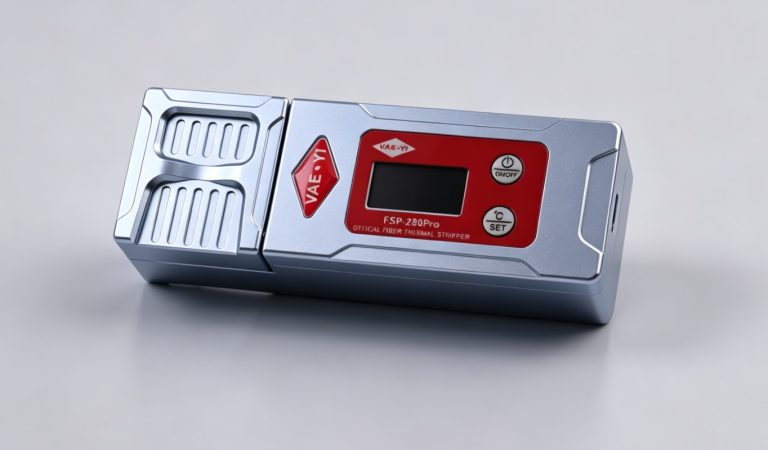
While thermal stripping pliers may seem like a single-function product, the differentiated needs of various fiber specifications in practical applications have spurred a segmented tool market. VAEYI 's FSP-200Pro general -purpose thermal stripping pliers and FSP-280Pro polarization-maintaining thermal stripping pliers form a…
Polarization-maintaining (PM) fibers are the core components of fiber optic gyroscopes, coherent communications, and quantum key distribution systems. The quality of their end-face preparation directly affects their ability to maintain polarization states. Throughout the entire processing workflow of PM fibers, thermal stripping…
The thermal stripper market is relatively mature yet highly fragmented. Globally, there is no shortage of manufacturers producing thermal strippers, with products spanning various price points and application scenarios—from entry-level models costing tens of dollars to high-end versions priced at several hundred…
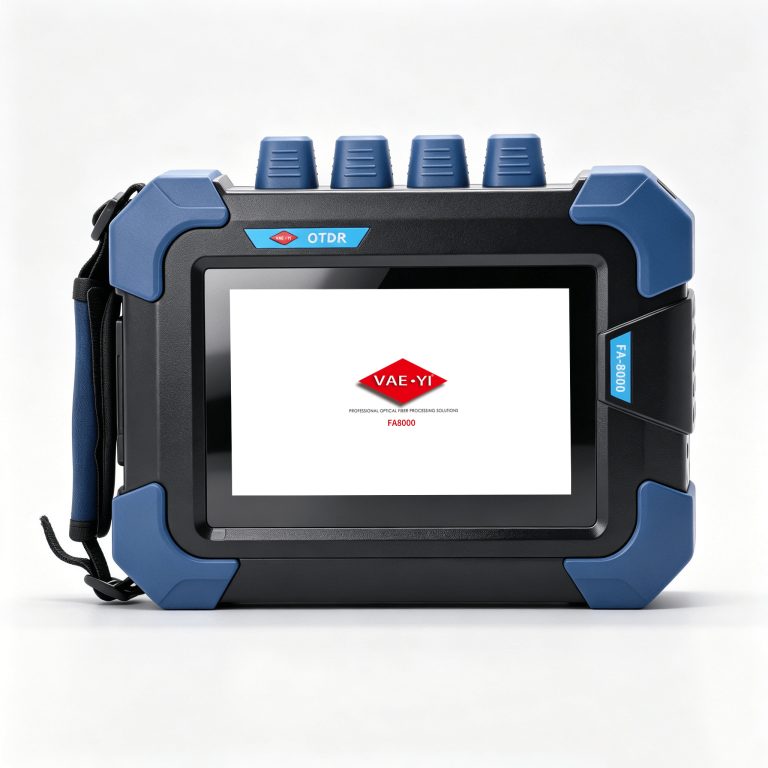
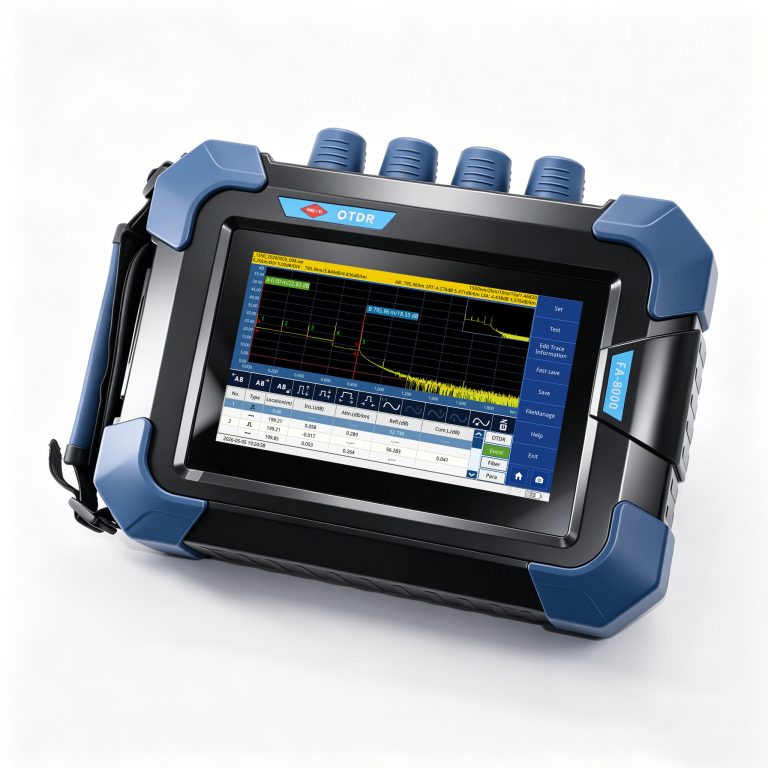
Dynamic Range: The Number-One SpecificationWhen buying an OTDR, the first specification to check is dynamic range.Dynamic range determines how far you can test. A higher number means the instrument can penetrate more splitters and measure longer links.The FA8000's dynamic range: 34 dB…
Why Do Splicing Machine Readings Differ from OTDR Measurements?After a fiber splice is completed, should you verify it with an OTDR?Some say it's unnecessary—the splicing machine's loss reading is sufficient, showing a few hundredths of a dB, which looks fine. Others insist…
Ordinary OTDRs Hit a Wall at the First SplitterA late-night call comes in—a subscriber reports their broadband is down. You grab your test equipment and head to the neighborhood's optical distribution cabinet.Every maintenance technician has been there: the link runs from the…
Event Dead Zone: The Minimum Distance to Distinguish Two PointsThe term "dead zone" may sound abstract.Technicians new to the field might think: as long as the OTDR can measure distance, does the dead zone size really matter?It matters a great deal. When…
What Does 45 dB Dynamic Range on an OTDR Actually Mean? Can It Penetrate a 1×128 Splitter in PON Networks?How Far Can 45 dB Really Reach?Anyone who has worked on PON network maintenance knows the biggest headache isn't measuring how long a…