Contamination is one of the most common and preventable causes of optical network faults. Small particles or residue can increase insertion loss, create reflectance problems and damage connector end faces. Inspect before you connect Use an inspection scope whenever possible. If contamination…
An OTDR helps technicians see the condition of a fiber link from one end. It can identify events, estimate loss and locate faults, but only when the test setup and trace interpretation are handled correctly. Build a reliable test setup Use launch…
If you ask a data center operations and maintenance (O&M) engineer, "What’s in your toolkit?" you will likely find a collection of devices from various brands with fragmented functions: a visual fault locator (VFL) from Brand A, a cleaning pen from Brand…
Fiber optic end-face treatment: Why a "one-size-fits-all" approach doesn't work.In optical fiber processing and splicing, the quality of end-face dicing is a critical preliminary step that determines subsequent splicing loss, coupling efficiency, and device reliability. For conventional 125μm cladding communication fibers, dicing…
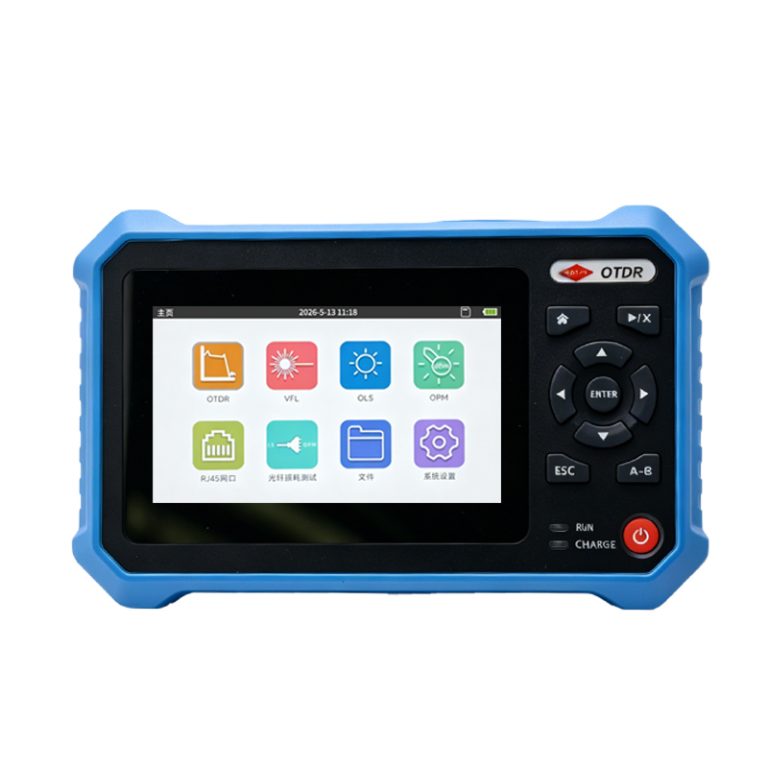
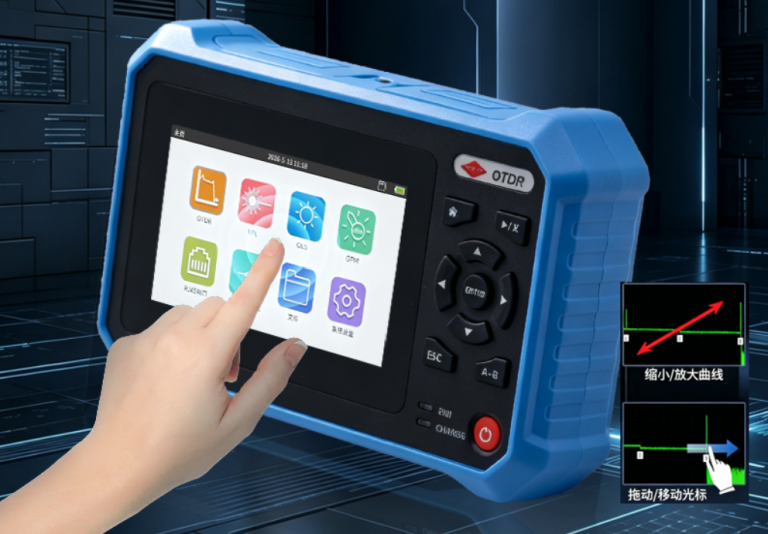
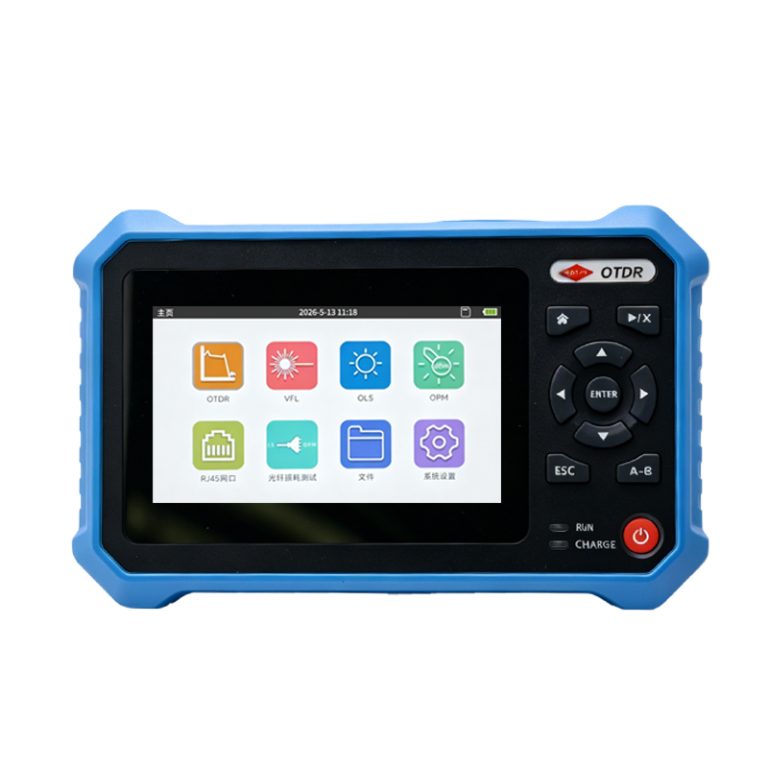
There are many OTDR products on the market, including single-function OTDRs and OTDR+optical power meter combos. The VAEYI FA1000 integrates six functions: OTDR, stable light source, optical power meter, red light source, network cable testing, and data storage. Why six, and not…
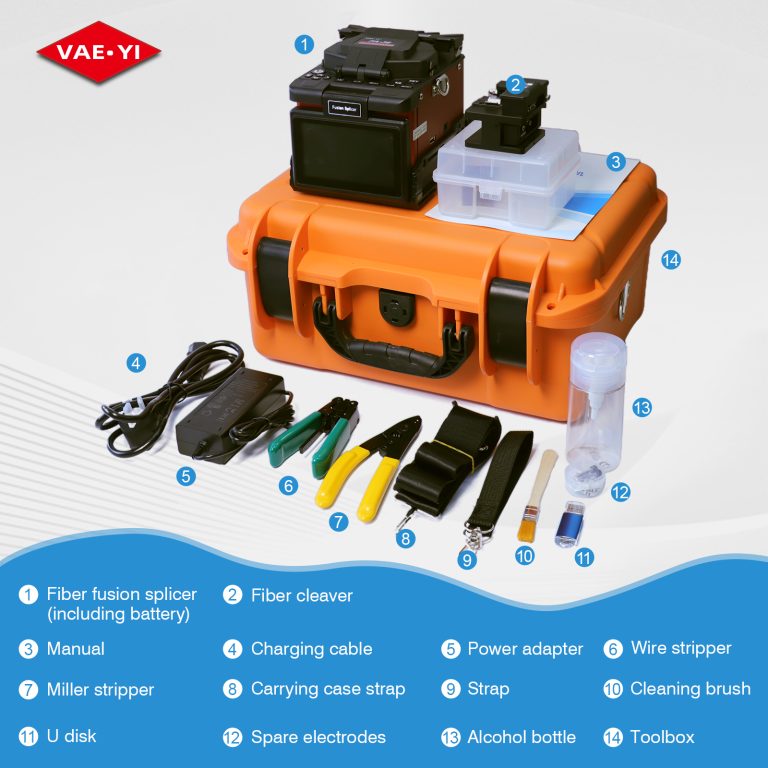
When you buy a fusion splicer and open the box, you'll find more than a dozen accessories, which can be confusing for beginners—what are all these things? Which ones are commonly used and which are spares? This article explains the function of…
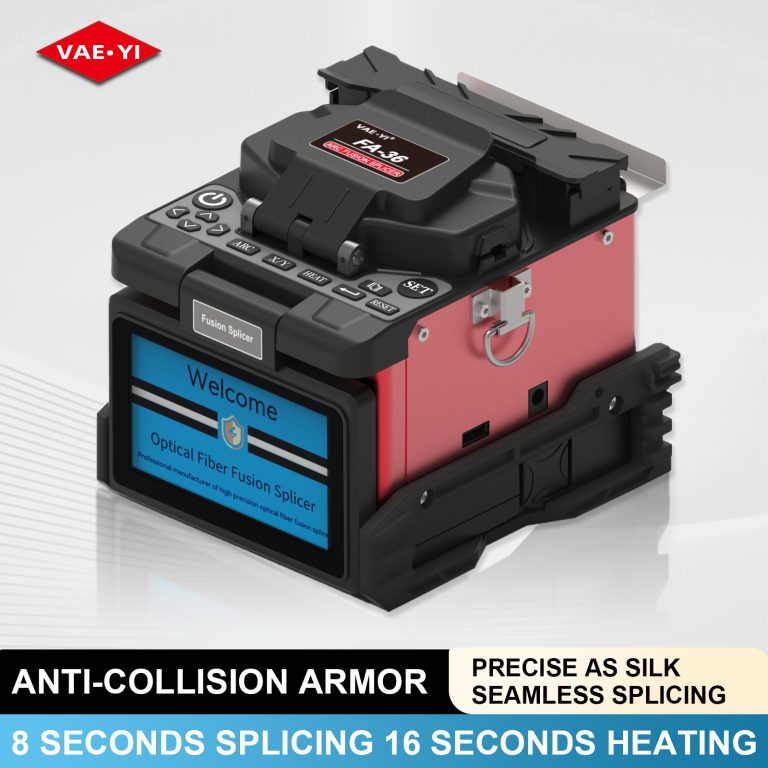
What is the efficiency bottleneck in fiber optic fusion splicing? It's not the slow fiber placement or the slow application of heat shrink tubing, but rather the waiting time for fusion splicing and heating. The equipment's working time accounts for the majority…
The significance of the two core parametersWhen evaluating the usability of an OTDR, two parameters are indispensable: dynamic range and event blind zone. The former determines how far it can measure, while the latter determines how clearly near-field images are viewed. The…
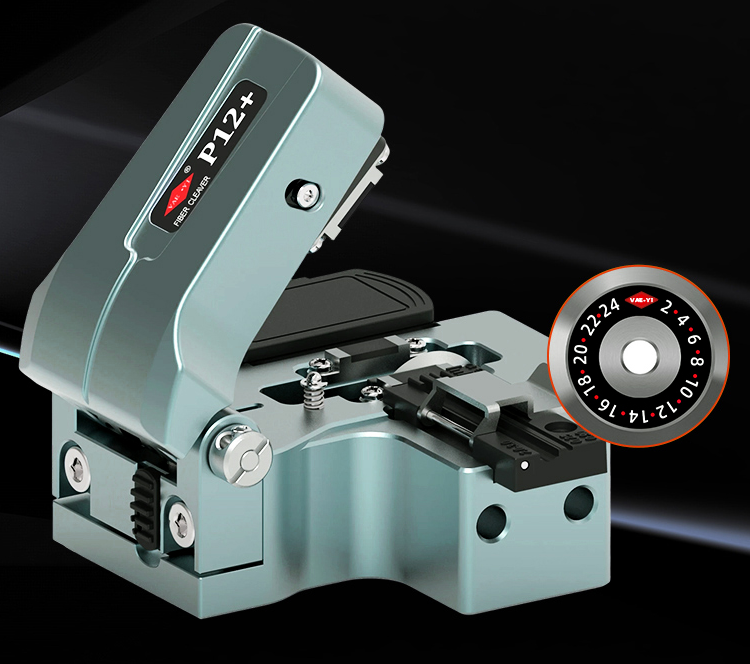
The VAEYI P12+ fiber optic cleaver claims a blade lifespan of 48,000 cycles. Some question: Is this just a gimmick? Can it really last that long? Today, we'll discuss the technological support behind this 48,000-cycle lifespan from a manufacturing perspective.48,000 calculationsFirst, the…
Nanjing VAEYI Technology currently offers two testing instruments—FA1000 and FA8000. Many engineers ask: What are the differences between the two? Which one should I use? Can I use both? This article clarifies the positioning, differences, and compatibility of the two products.First, understand…